
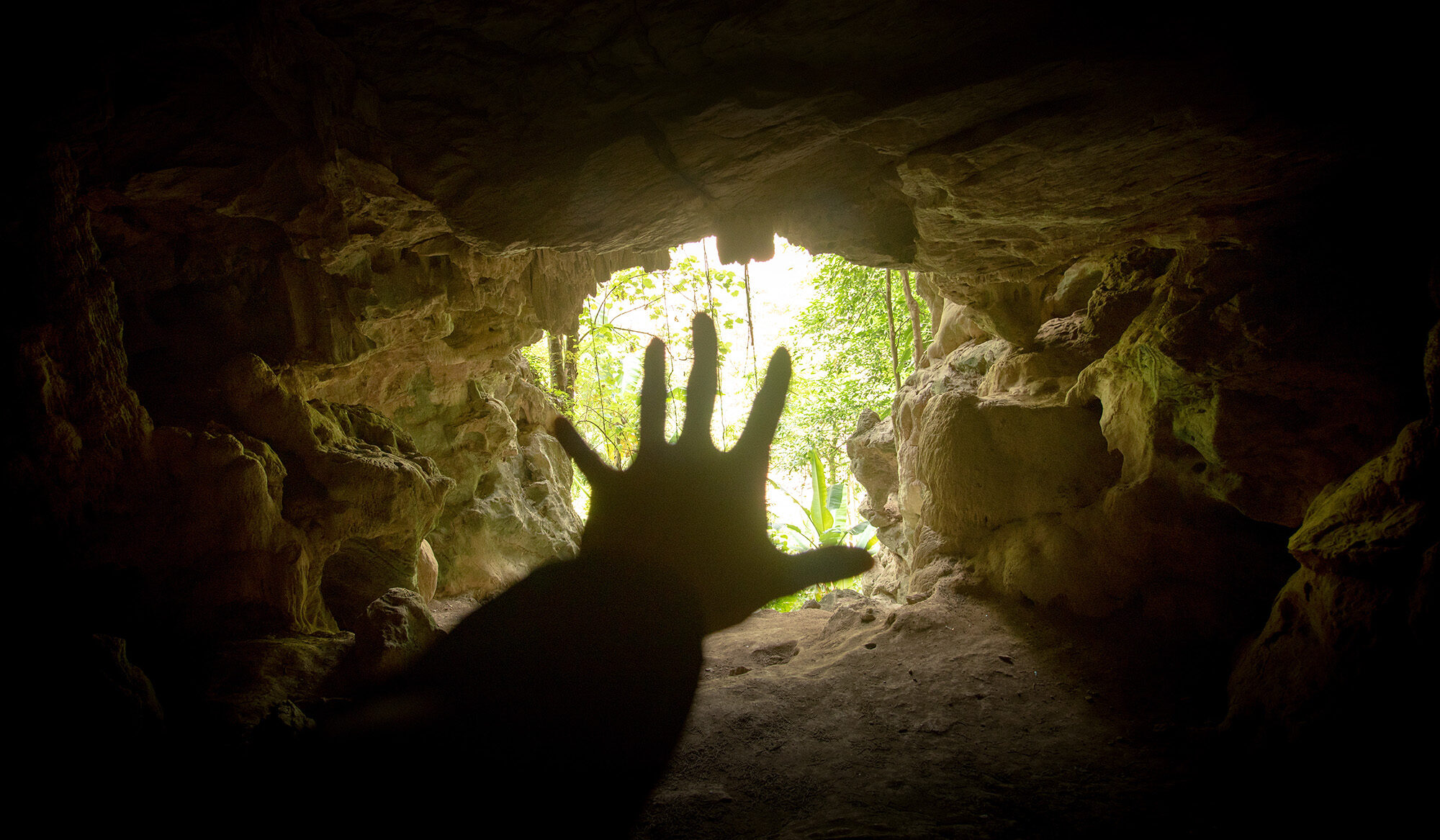
If you’re afraid of the dark, you definitely don’t want to get stuck in a cave.
One of Missouri’s enduring mysteries unfolded outside Hannibal May 9, 1967, when three children were reported missing. The boys were last seen playing outside a cave opening revealed by road construction near Highway 79. Their disappearance led to one of the largest cave searches in United States history. Unfortunately, the boys were never found. Speculation continues today as to what happened to the “Lost Boys of Hannibal” and whether they ever actually entered the cave.
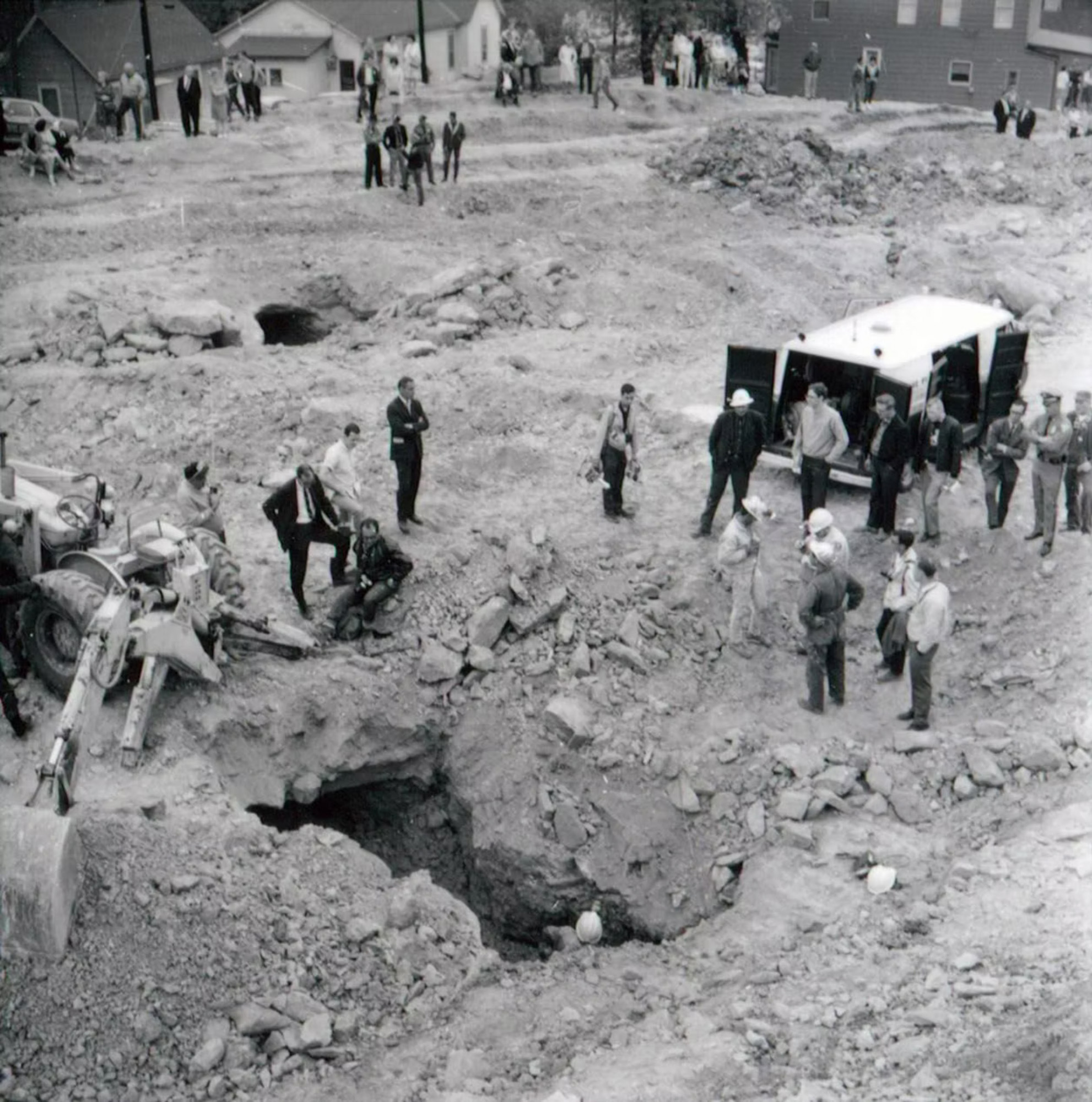
The story of the Lost Boys is both intriguing and illustrative for cavers. To them, the idea of being trapped underground isn’t merely a scary story, but a real possibility that always must be considered. Megan Harder, a geologist with the Missouri Geological Survey, is an active caver trained in cave rescue.
“Some of the most common causes of cave fatalities are medical emergencies like heart attacks, followed by drowning and falls,” Harder said. “Water can also be dangerous because it can rapidly induce hypothermia. People don’t usually think of getting cold as a danger, but hypothermia is a huge concern and can quickly turn a less serious injury fatal.”
To stay safe underground, Harder said cavers should always explore in groups so someone can return to the surface if there’s an emergency. It’s also important to notify family or friends about the trip underground, including not only what cave is being entered, but also what part of the cave will be explored and what time to expect the cavers’ return.
“Unfortunately, even the most seasoned cavers experience accidents sometimes,” Harder said. “When unforeseen problems arise, having someone on the surface ready to call for help can make sure it arrives as soon as possible.”
Among the essential pieces of gear for caving are a helmet, three sources of light, backup batteries, boots with good tread, knee pads, elbow pads, gloves, rugged clothing and extra layers. Harder said it’s also important to bring more food and water than you think you’ll need.
“Everyone on a trip should be paying attention to their surroundings,” Harder said. “This means learning the route as you proceed through the cave. For example, cavers familiarize themselves by looking behind them periodically because the cave can look very different on the way out than it does going in.
This also means having situational awareness. Hazards like rockfalls and flash floods can happen unpredictably, but you can stay safe by paying attention to your environment. Ask yourself questions like, ‘Do those boulders look unstable?’ and ‘Was that waterfall flowing on the way into the cave?’” Harder said.
Harder said if cavers cannot find the cave’s exit they should hold their position and wait for rescuers in lieu of exploring farther underground in hopes of discovering a previously unknown passage to the surface.
“A person trapped underground should try to get away from dangerous situations by staying out of water, moving to higher ground if the cave is flooding or moving to a more stable area.
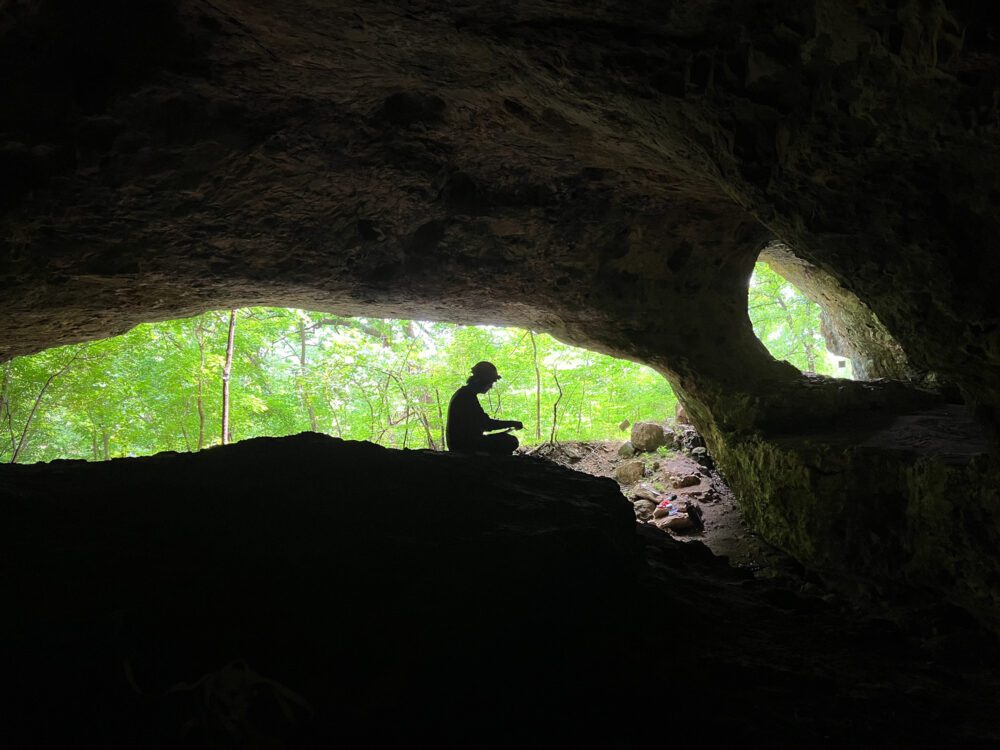


“It’s important to try to stay warm by avoiding breezy passages, keeping clothing dry and reducing direct contact with rock surfaces so body heat isn’t lost to the surroundings. If you have a trash bag and a candle, you can make a Palmer Furnace to stay warm; basically, the trash bag is worn like a poncho and traps heat from the candle. You can also do some light exercise or cuddle up with a friend to share body heat. Most importantly, remember to stay hydrated and have a snack so your body has the energy it needs to heat itself,” Harder said.
Trained rescuers entering a cave will stretch communication lines underground to stay in touch with the surface, then search each passage until those trapped are found and given medical attention.
“There are many techniques trained rescuers use to get someone out of a cave,” Harder said. “Usually, the fastest and most effective way is having them get out on their own. If the person cannot move with simple assistance, they will typically be carried out in a rescue basket known as a litter. For more complicated rescues, experts may rig a haul system to move the patient through vertical obstacles, use pumps and other interventions to lower the cave’s water level or even widen passages with drills or explosives. The famous Thai cave rescue in 2018 was an extraordinary circumstance where highly trained technical divers removed trapped soccer players under sedation in full scuba gear.”
Harder said despite the dangers, caving is a fun and worthwhile activity so long as people make the necessary safety preparations.
“Caves are some of the Earth’s last unexplored places,” Harder said. “The prospect of visiting a place where no other human has been before is thrilling and compared to activities like polar exploration or mountaineering, caving is a extremely accessible, inclusive and inexpensive. Anyone can join a local caving club. From there, it’s not too difficult to get involved in cave mapping and exploration.”
For more information about caves and cave safety, visit the department’s Caves webpage.